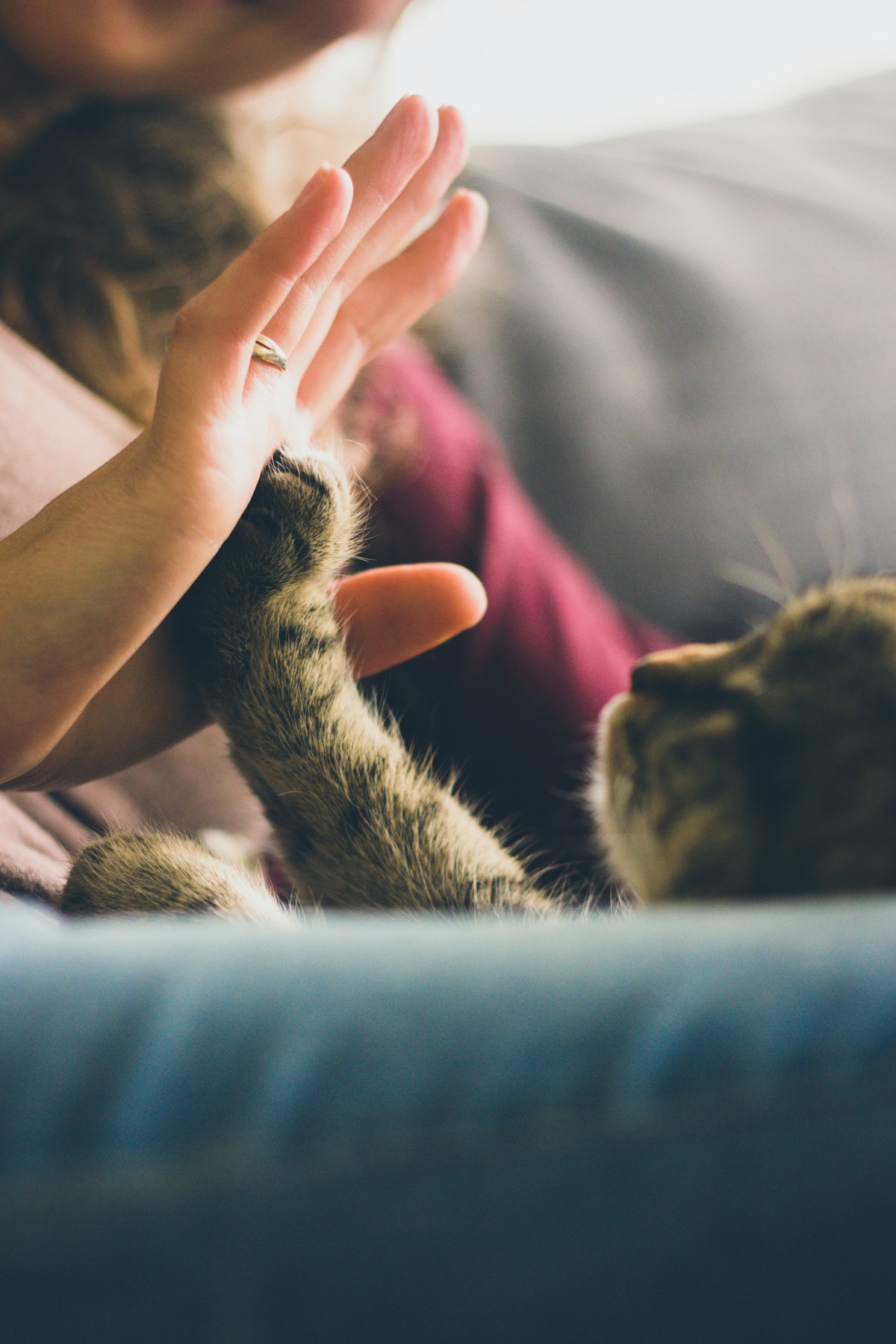
Preparing an Anxious Pet for an International Move
For an anxious pet, useful preparation begins at home: a familiar travel space, manageable practice and a plan for the parts of the move that cause distress. The aim is to understand what your pet can cope with before departure day arrives.
For an anxious pet, useful preparation begins at home: a familiar travel space, manageable practice and a plan for the parts of the move that cause distress. The aim is to understand what your pet can cope with before departure day arrives.
Identify the difficult part
Some pets are comfortable in a carrier but dislike car journeys. Others cope with movement yet panic when separated from their owner or approached by unfamiliar dogs. Keep a short record of what happens on practice trips, including the point at which the animal becomes unsettled. This gives your vet or qualified behaviour professional something more useful than a general description of “travel anxiety”.
Make the carrier part of ordinary life
Once the flight team confirms the approved equipment, leave it accessible in a quiet part of the home with familiar, permitted bedding. Reward voluntary investigation and calm settling. Progress to short periods with the door closed only at a pace your pet can manage. If distress increases, stop and ask for professional help rather than repeatedly forcing longer sessions.
Practise the transfers too
A short trip in the vehicle you expect to use can reveal practical problems: a crate that does not fit, a sliding carrier or a difficult loading position. Have one person responsible for the pet while another handles luggage. At home on moving day, use a secure quiet room so open doors and removal activity do not become part of the pet’s departure.
Agree a veterinary plan early
Tell the vet about motion sickness, panic, existing medication and previous travel. Food, water and any medication instructions should suit the animal and the itinerary. IATA discourages routine sedation for transport; do not introduce a sedative or calming product at the airport. If treatment is prescribed, discuss its use with the vet and operating airline well before travel.
Give arrival some breathing room
Prepare a secure room, familiar bedding and the pet’s usual essentials. Keep the first day simple after clearance or quarantine release. In-cabin travel can allow you to stay near your pet during the flight, but government handling and individual health still affect the whole journey. Tell us about previous travel difficulties when enquiring so the arrangements can be discussed early.
Useful links and sources
- IATA — Carrier familiarisation and sedation guidance
Ready to fly with your pet?
Talk to our team about your specific route and animal.