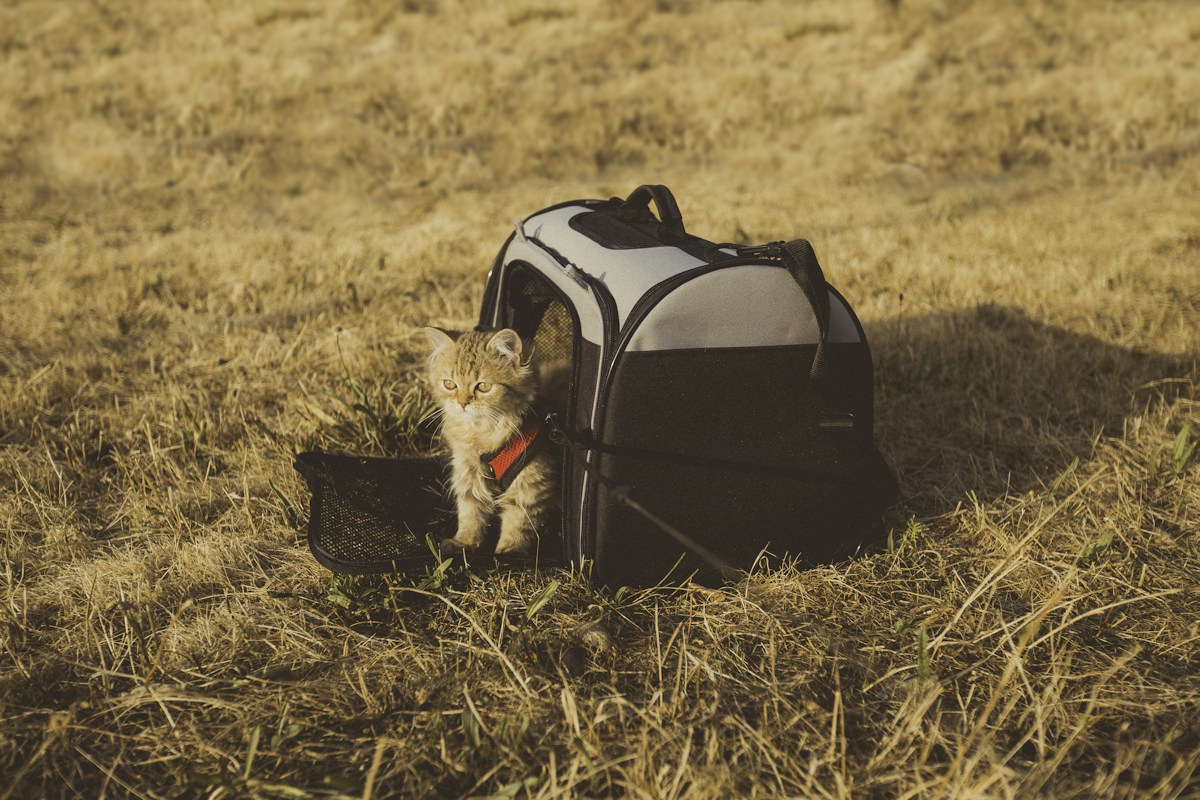
Flying Internationally With a Cat: Carrier, Cabin and Arrival
A successful cat journey depends on secure handling and a calm place to settle at each end. Plan the approved carrier, the handovers and the first room after arrival before turning to the rest of the moving list.
A successful cat journey depends on secure handling and a calm place to settle at each end. Plan the approved carrier, the handovers and the first room after arrival before turning to the rest of the moving list.
Choose the equipment for every stage
Confirm the carrier or crate for the actual aircraft and any official ground transfer. A soft cabin bag is not interchangeable with a rigid transport crate. For Singapore arrivals, AVS requires the appropriate rigid IATA-compliant container for transfer to its inspection facility, including when the cat arrived in the passenger cabin. Agree that equipment before buying it.
Give your cat time to recognise the carrier
Leave the agreed carrier open at home with familiar bedding and reward calm, voluntary use. Keep practice short and ask your vet for help if confinement causes persistent distress. Check latches and zips before each journey. Carry the cat securely through terminals and transfers; do not open a carrier in an unfamiliar public space to offer reassurance.
Pack the things you will need to reach
Keep approved absorbent liners, replacement bedding, waste bags, cleaning supplies and water equipment accessible. Ask the team how toileting and care will work under the flight’s containment rules. Medication should remain in labelled packaging with the veterinary instructions. The document folder should carry the cat’s own records, not a dog checklist copied from another household pet.
Control the departure from home
Before movers or visitors arrive, place the cat in a secure room with a clear instruction that the door stays closed. Decide who transfers the cat to the carrier and who checks it is secured in the vehicle. This simple division of tasks prevents the animal becoming an afterthought while everyone carries bags.
Set up one quiet room on arrival
Confirm that the accommodation accepts cats specifically. Before opening the carrier, check windows, doors and gaps behind furniture, and put out water, a litter tray and a resting place. Allow the cat to come out at its own pace. If quarantine applies, prepare this room for the release date rather than the aircraft’s arrival day. Read the Singapore–London cat guide or discuss your cat’s route.
Useful links and sources
- IATA — Pet container and preparation guidance
- Singapore AVS — Container and arrival-transfer requirements
Further Reading
Ready to fly with your pet?
Talk to our team about your specific route and animal.